Tick Box Movies
I've noticed a trend in a lot of recent movies, and it's starting to annoy me more than it should. Nobody else seems to have given this trend a name, so I'm going to do the honours and call them "tick box movies". I will explain.
Tick box movies are exclusively sequels, re-makes or adaptations of things that already have a significant fan base, such as movies based on comics or video games. They prioritise familiarity over all else, and they do this through what has historically been referred to as "nods to the fans", but on a massive scale, usually to the detriment of other elements of film making such as plot or characters. It's vaguely similar to the 'designed by committee' trope, but more specific to well-loved franchises. They're basically movies that end up shallow and empty as a direct result of trying to pander too hard to a fanbase and "tick as many boxes" as possible.
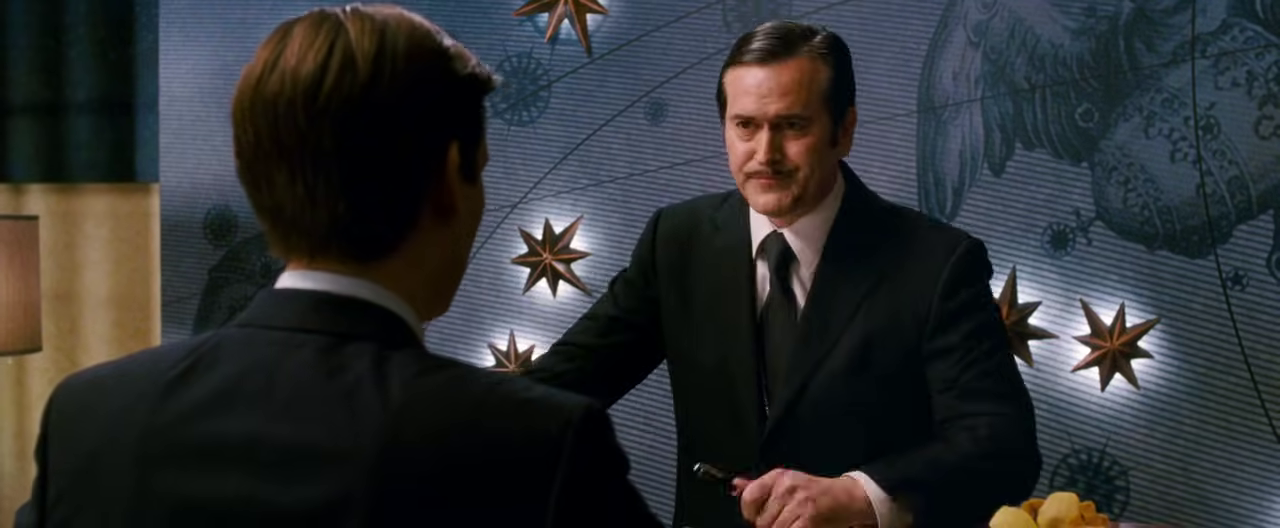
I think the earliest example I can think of is Spider-Man 3. Sam Raimi had an idea for the third part of his trilogy involving Harry Osborn taking up the mantle of Green Goblin, and the villain Sandman being responsible for the death of Ben Parker, but the studio insisted on Venom and Gwen Stacey both being in the movie due to the results of their market research. So the movie ended up with a load of Raimi's ideas being shelved, or re-worked so they worked with the Venom storyline. Once all the boxes had been ticked, we ended up with a complete mess of a movie that pretty much everyone agrees was the worst of the Sam Raimi Spider-Man movies, and the only memorable part for me was Bruce Campbell's cameo as a pompous french waiter and the ensuing farcical scene in the restaurant.
Speaking of Venom, I really liked the first stand-alone Venom movie and its much better sequel, Let There Be Carnage. But the third one, The Last Dance, felt like a tick box movie as well. It goes overboard to try and introduce as many symbiote-related characters as it can within its short runtime, but also tries to incorporate as many fan-popular things as possible, such as various attempts to shoehorn in links to other Marvel movies, and Mrs Chen who, while wonderful in the first two movies, didn't really need to show up here.
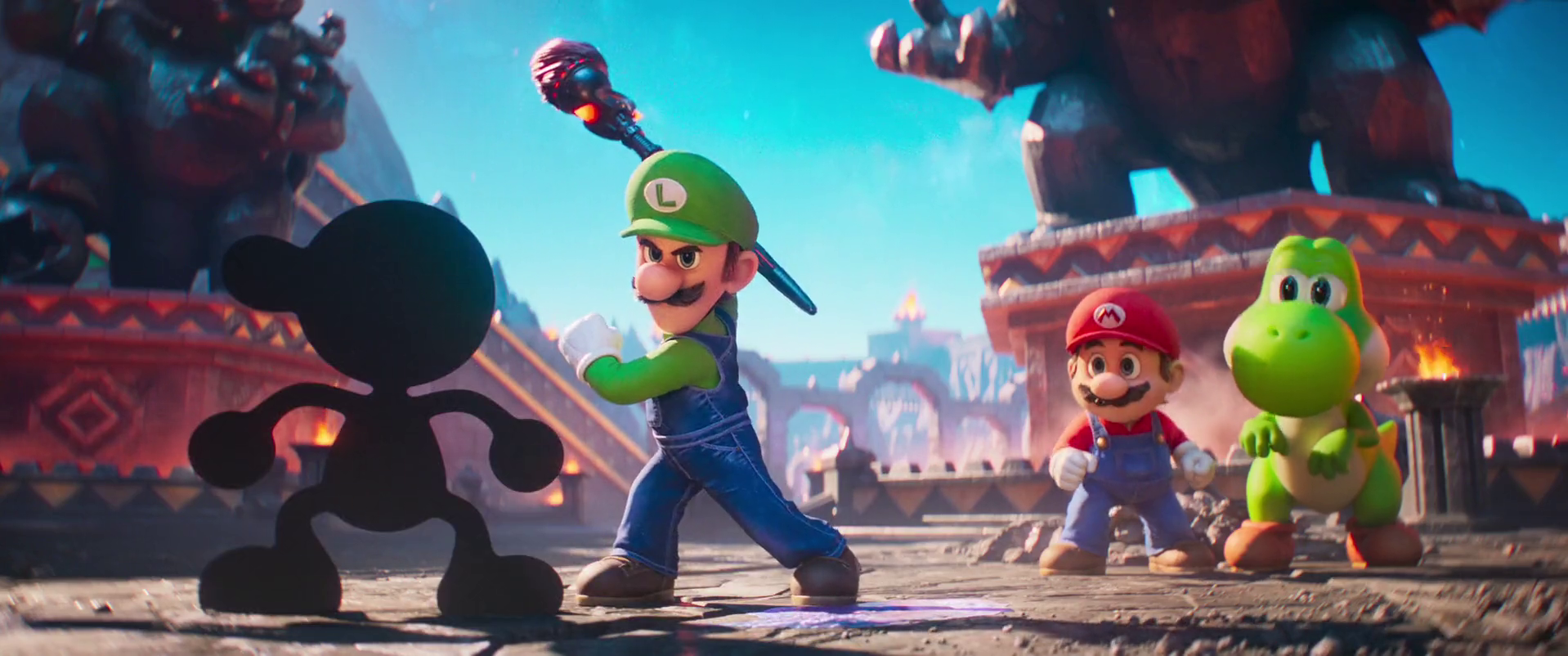
But I think the worst offender that I've seen recently is the Super Mario Galaxy Movie, which is the second animated movie based on the Mario Bros franchise. As an aside, its predecessor, The Super Mario Bros Movie is actually really good, and does a lot of cool stuff with the elements it has. It has a good narrative running through it, and the characters are well-rounded and likeable, especially Peach, who is elevated from her usual "damsel in distress" role into an all-round badass. It has a lot of 'nods to the fans' but these are all either worked into the plot (eg Donkey Kong and the Mario Karts), or subtle enough that they don't actually interfere with anything (eg the Jump Man cameo). Its sequel, by contrast, is awful. It begins by introducing Yoshi, who gets a 30 second back-story before being relegated to a background character for the rest of the movie. We also get introduced to Rosalina, who begins as a Peach clone but ends up being captured and not appearing again until she's rescued at the very end. Once these two staples of the Mario franchise have been introduced and duly ignored, we then get our heroes leaping from situation to situation in a non-coherent mess, before finally ending up rescuing Rosalina. Each situation introduces one or more increasingly obscure Nintendo references which just made me imagine a writers room full of moronic Nintendo fanboys yelling "ooh, we should include this" over each other and nobody ever asked any of them "OK, so how does that actually fit into the movie?" We get a scene in a casino with Mario Galaxy-style physics featuring the cast of Super Mario Bros 2, which makes sense, and a scene with a dinosaur and a Super Scope that makes things younger, which could be a nod to the De-evolution Gun from the live action movie, I guess? But did we really need Fox McCloud? Or the repeated gag with the Rob robot? Or Mr-Sodding-Game-and-Watch? I'm sure a halfways decent writer could have made a good movie out of just Yoshi and/or Rosalina.
This isn't a dig at adaptations or sequels because I know both can be done well. Pokemon Detective Pikachu is a wonderful example of a movie based on a video game that features a good original plot of its own and requires no prior knowledge of the franchise. The Empire Strikes Back and Terminator 2 are both sequels that are better than an already excellent predecessor, at least in my opinion. All these movies have a good, solid movie at the core, and the nods to the fans (if any) are sprinkled liberally on top. If you begin with a list of concepts and try to join them all with a movie, then you have yourself a tick box movie, and it's probably not going to be very good.